Damp Proofing Basements Dry & Wet Rot Cheshire Damp Damp Coursing Since 2001

Wirral Damp Proofing

Cheshire Damp provides professional damp proofing services to homeowners, landlords and businesses across Wirral, Chester and Merseyside. Damp can affect properties of every age, from traditional terraces and period homes to newer buildings. Left untreated, it may damage plaster, timber and decorative finishes while creating uncomfortable living conditions. The key to resolving the problem is identifying the source correctly rather than simply covering visible marks with paint or new plaster.

Common signs of damp include discoloured walls, peeling wallpaper, flaking paint, crumbling plaster, musty smells and visible mould. Some properties may also develop tide marks or white salt deposits near floor level. These symptoms can have several possible causes, including rising damp, penetrating damp, condensation, defective drainage or plumbing leaks. Because different problems require different treatments, an informed inspection should always come before remedial work.

Damp Coursing Wirral

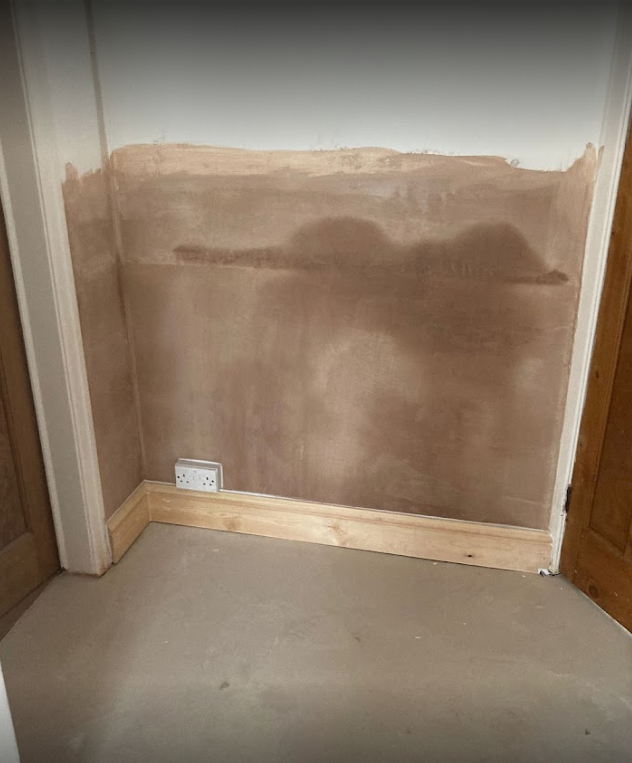
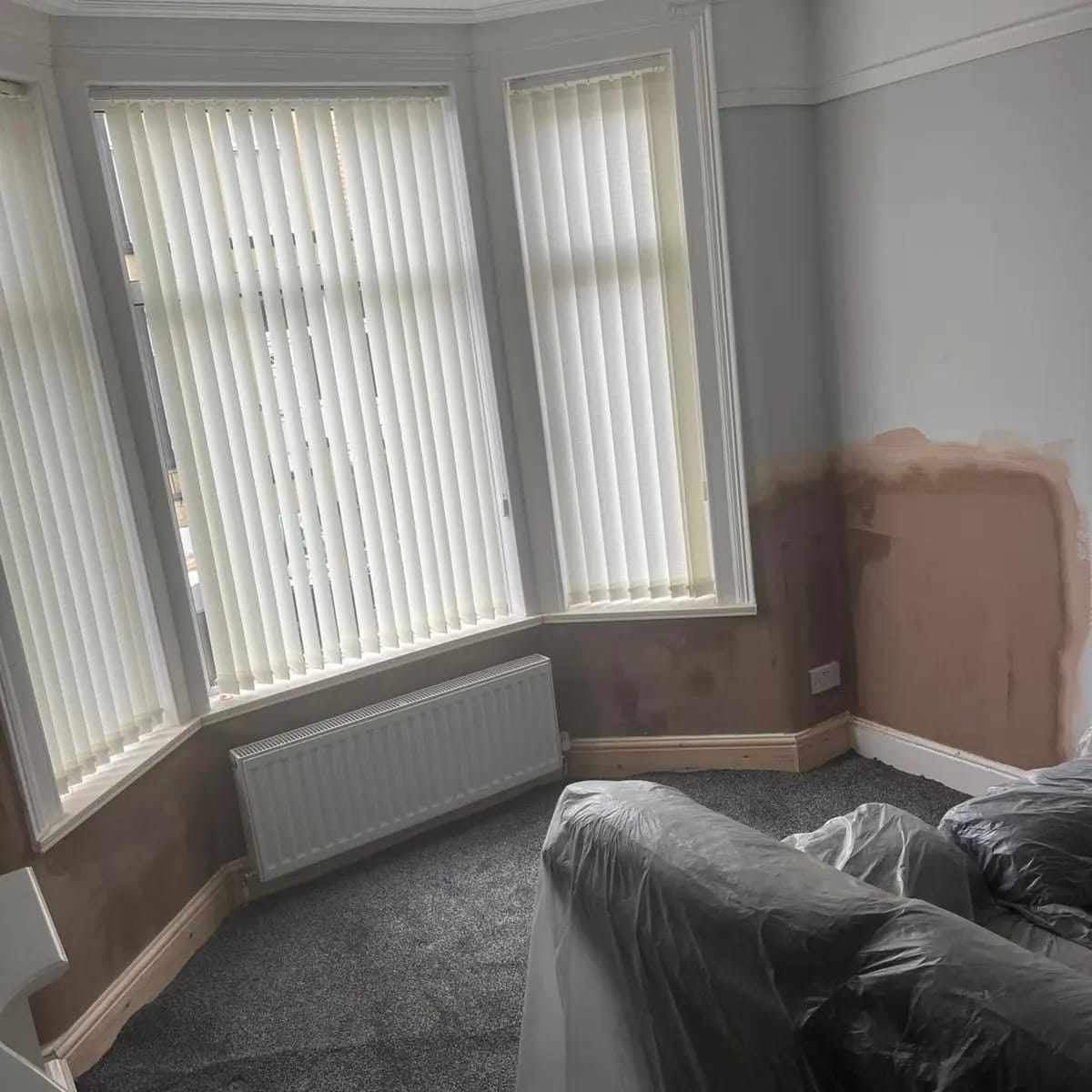
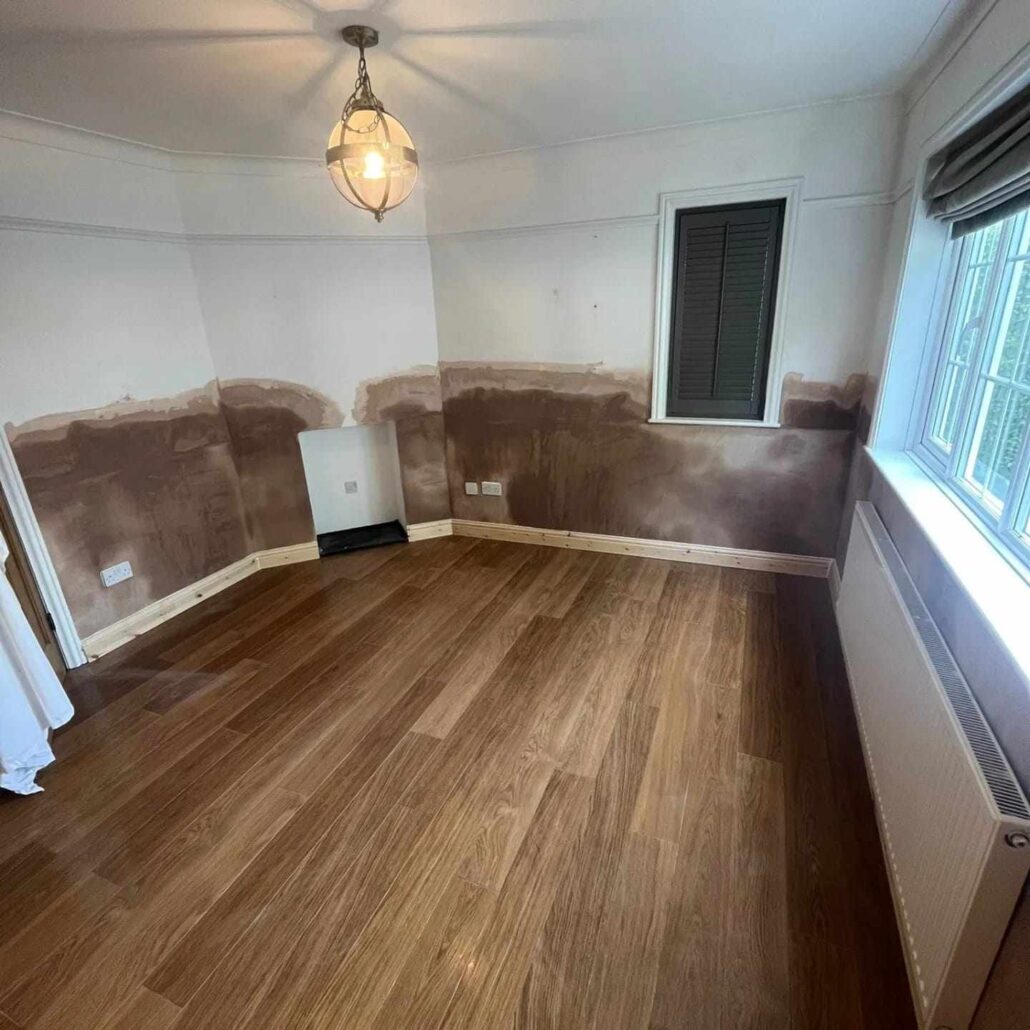
Rising damp occurs when moisture travels upwards through porous building materials from the ground. It is generally associated with a missing, damaged or bridged damp-proof course. Where rising damp is confirmed, treatment may involve installing a remedial damp-proof course, removing contaminated plaster and applying a suitable replastering system. The surrounding ground levels, ventilation and drainage should also be considered so that contributing factors are not overlooked.

Wirral’s diverse housing stock and coastal climate can often lead to unique damp challenges. Our team provides tailored damp proofing solutions that suit the specific needs of each property. These include:

Basement Conversions

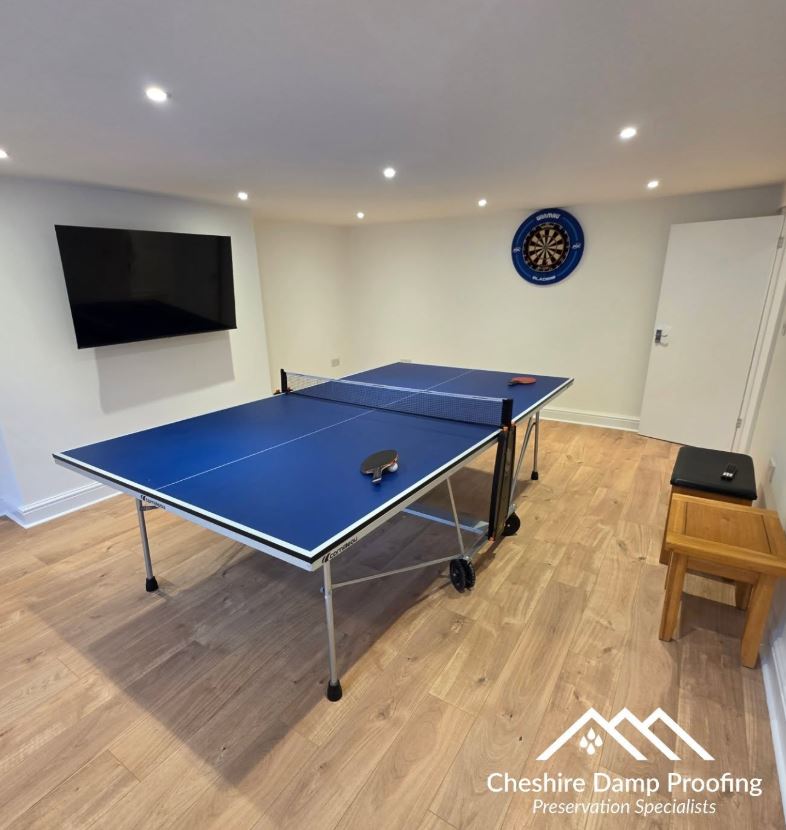
A well-planned basement conversion can create valuable additional space without changing a property’s external footprint. Depending on its size, access and layout, a basement may become a home office, family room, gym, utility area, playroom or guest accommodation. However, below-ground spaces face particular moisture, ventilation and safety challenges, so successful conversions require much more than decorating an existing cellar.

The first consideration is the condition and structure of the basement. Its walls, floor, ceiling height and access should be assessed, along with any visible dampness, water ingress or timber decay. Services such as drainage, electricity, heating and plumbing must also be considered. Structural alterations, excavation or changes to supporting walls require appropriate professional design and oversight.

Waterproofing is central to most basement conversions because the walls and floor are in contact with the ground. Depending on the building and the level of water pressure, the design may use a barrier system, a drained cavity membrane or a combination of measures. A cavity drainage system directs water to a suitable outlet, often using drainage channels and a sump pump. Where mechanical pumping is essential, maintenance access and backup arrangements should be considered.

The waterproofing design should suit the intended use of the room and the construction of the property. A storage area and a habitable bedroom do not present the same risks or performance requirements. Detailing around wall-floor junctions, pipes, stairs and service penetrations is particularly important because weaknesses in these areas can allow moisture to bypass the wider system.

Basement Conversions Liverpool

Convert Your Cellar or basement

Cheshire Damp provides basement conversion and waterproofing services across Wirral, Chester and Merseyside. The process begins with understanding the condition of the existing space and the client's intended use. This allows moisture management, layout and building services to be considered together rather than treated as unrelated stages.

A basement conversion represents a significant investment, and shortcuts in waterproofing can be costly to correct later. Using a properly considered system, preserving access for maintenance and addressing defects before finishes are installed can improve long-term reliability.

With careful planning and suitable specialist work, Cheshire Damp can help transform an underused basement into a dry, practical addition to the property. All proposed work should remain subject to an appropriate survey and any necessary structural, planning or Building Regulations advice.

Rising Damp

Rising damp is a moisture problem that can affect the lower sections of walls in homes and commercial properties. It occurs when groundwater moves upwards through porous materials such as brick, mortar and plaster. A functioning damp-proof course should prevent this movement, but problems can arise when the barrier is missing, damaged or bridged. Cheshire Damp offers professional rising damp investigation and treatment across Wirral, Chester and Merseyside.

Common signs of rising damp include tide marks, crumbling plaster, peeling wallpaper and damaged paint near floor level. White, powdery salt deposits may appear on walls as moisture evaporates, while skirting boards can become stained, softened or decayed. Affected rooms may also develop a persistent musty smell.

These symptoms do not automatically confirm rising damp. Plumbing leaks, condensation, penetrating damp and high external ground levels can produce similar effects. Hygroscopic salts in old plaster may also attract moisture from the air. For this reason, an accurate inspection is essential before any treatment begins. Simply applying damp-resistant paint or replacing damaged wallpaper is unlikely to resolve the underlying cause